

If you’ve ever stood by the refrigerator at 2 AM, exhausted and wondering whether you really need to warm that bottle, you’re not alone. The question “can I give my baby cold formula?” is one of the most common concerns we hear from parents at Baby’s Pantry and it’s completely understandable.
Bottle warmers are marketed as essential nursery items – yet another “must-have” added to the ever-growing list of things new parents are told they need to buy. Between the car seat, the crib, the stroller, the monitor, and countless other products, it’s easy to feel overwhelmed by what’s truly necessary versus what’s just clever marketing.
Maybe you’ve been told that cold formula upsets babies’ stomachs, or that it’s harder to digest, or that you should wait until your baby reaches a certain age. We’re here to give you the evidence-based truth so you can make the right decision for your family. By the end of this article, you’ll have the confidence to choose what works best for your baby and your lifestyle.
Can Babies Drink Cold Formula?
Cold formula and warm formula are equally safe and equally nutritious for babies.
Babies can safely drink cold formula at any age, including newborns. Cold formula is nutritionally identical to warm formula and does not affect digestion, cause stomach upset, or harm your baby in any way. The best temperature is simply the one your baby accepts. Whether you choose cold, warm, or room temperature formula, you’re making a safe, valid choice for your little one.
The Science: Is Cold Formula Bad for Babies?
Formula manufacturers design their products to maintain nutritional stability across a range of temperatures. The vitamins, minerals, proteins, fats, and carbohydrates in formula remain bioavailable whether the bottle is cold, room temperature, or warm. So your baby will get the same nutritional benefits from the formula whether it is served warm or cold.
European formulas, which often contain slightly different ingredient profiles than US formulas (such as HiPP’s use of organic lactose or Kendamil’s inclusion of whole milk fats), also maintain their nutritional value regardless of serving temperature.
Is Cold Formula Harder for Babies to Digest?
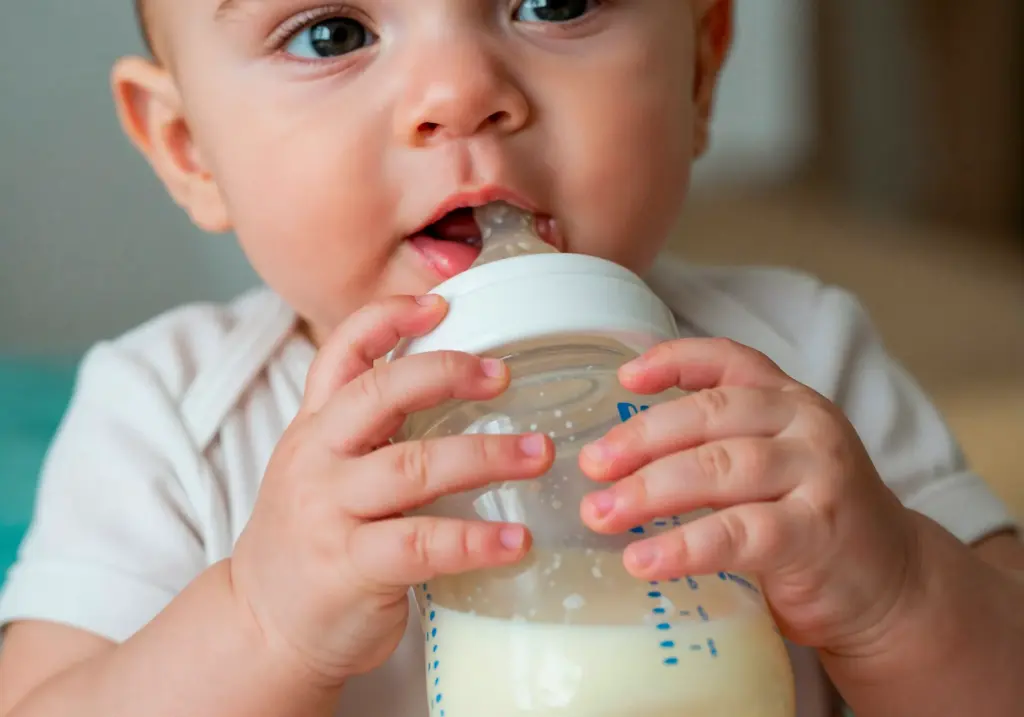
A common concern parents raise is whether cold formula might cause digestive discomfort, gas, or upset stomach. However, research shows no difference between cold and warm formula. The human digestive system is remarkably adaptable, and breast milk itself varies in temperature depending on environmental factors and time since expression.
Once formula enters the stomach, it quickly adjusts to body temperature. The stomach’s natural warmth means that whether you start with a cold or warm bottle, the formula will be at a similar temperature within minutes of consumption.
If your baby experiences gas or digestive discomfort, it’s more likely related to air swallowing during feeding, formula sensitivity, or normal digestive development, not the temperature of the bottle.
At What Age Can Babies Drink Cold Formula?
Here’s the great news: babies can drink cold formula from birth. There is no minimum age requirement for cold formula. Newborns can safely have cold formula just as older babies can.
For Newborns
If you want to offer cold formula to your newborn from day one, that’s perfectly safe. Babies who are introduced to cold formula from the beginning typically accept it without any issues since they haven’t developed a preference for warm bottles.
For Older Babies
If your baby is already used to warm bottles, you can transition to cold formula at any age. Some babies accept the change immediately, while others may need a gradual adjustment period.
If your baby is used to warm bottles and you’d like to try cold formula, here’s a gentle approach:
- Start by reducing the warming time slightly
- Progress from warm → lukewarm → room temperature → cool → cold over several days
- Watch your baby’s reaction at each stage
The deciding factor isn’t age, it’s simply whether your baby accepts and drinks the formula happily.

Cold Formula vs. Warm Formula: An Honest Comparison
The truth is, neither cold nor warm formula is “better.” They are nutritionally and safety-wise equivalent. The right choice depends entirely on what works for your baby and your family’s routine.
Advantages of Cold Formula
Faster preparation and convenient for nighttime feeds: This is perhaps the biggest advantage, especially for nighttime feeds. Preparing bottles in advance and storing them in the refrigerator means you can feed your baby immediately without waiting for warming. For sleep-deprived parents, those saved minutes are invaluable.
Travel-friendly: Cold formula is easier to transport safely. You can use insulated bags with ice packs and serve directly, rather than worrying about warming methods while out
Consistent temperature with no risk of overheating or hot spots: Every bottle is the same, eliminating variables that might affect your baby’s feeding.
Preserves probiotics: Formulas like HiPP Combiotic contain live probiotics that support digestive health. These beneficial bacteria are actually preserved better when formula is stored cold and served cold, rather than being reheated (which could affect their viability).
Advantages of Warm Formula
Closer to breast milk temperature: May feel more natural if you’re combination feeding
Baby preference: Some babies simply prefer warm formula. This preference might be related to the temperature of breast milk or simply individual comfort. If your baby refuses cold formula, that’s a valid reason to warm it.
Feeding Speed: Some parents report that babies drink cold formula more slowly. While not necessarily a drawback (slower feeding can reduce gas from swallowing air), it’s worth noting if you’re on a tight schedule.
Safety Considerations For Warm & Cold Formula
The serving temperature of formula isn’t a safety issue, but storage and preparation temperature absolutely is.
Whether you hand your baby a cold bottle from the fridge or a gently warmed one makes no difference to their safety. Both are equally safe options. However, how you prepare that formula initially and how you store it before serving is where temperature becomes critical for protecting your baby from harmful bacteria.
Preparation Safety: Hot Water is Required Regardless of Serving Temperature
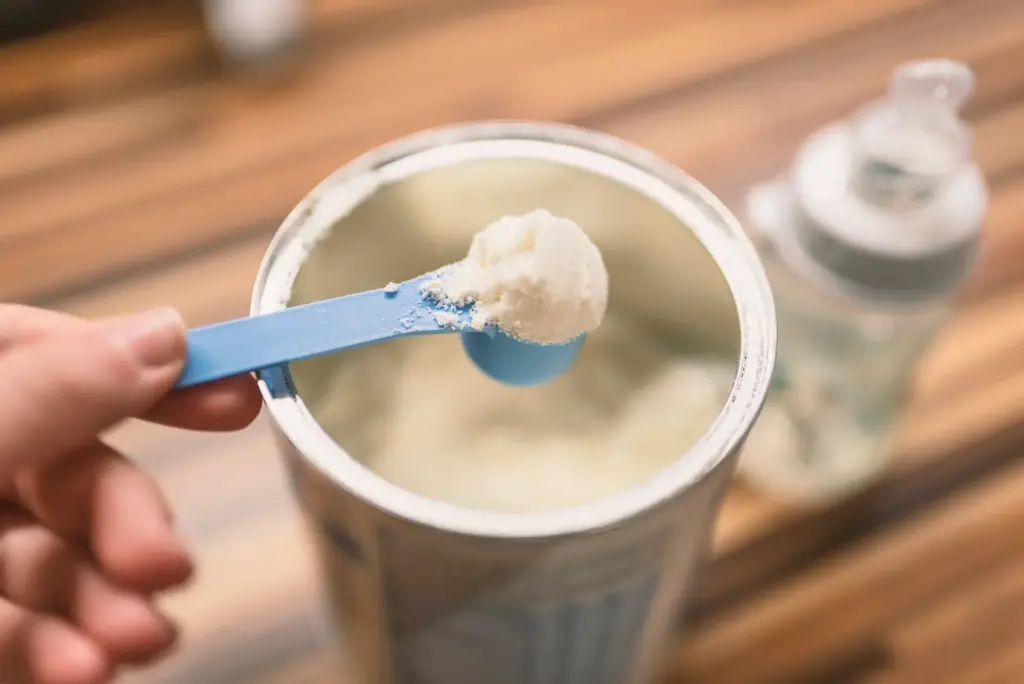
Even if you plan to serve cold formula, you must still prepare it with hot water. Unlike ready-to-feed liquid formula, powdered formula can contain low levels of bacteria, including Cronobacter sakazakii and Salmonella. While contamination is rare, it can be serious for infants.
That’s why the World Health Organisation (WHO) and most formula manufacturers recommend preparing formula with water at least 158°F (70°C) or higher. This temperature kills any potential bacteria present in the powder.
Even if you’re serving cold formula, don’t skip the hot water preparation step. Cold water doesn’t kill potential bacteria in the powder and doesn’t dissolve the formula properly, leading to clumping and potential nutrient distribution issues.
If you wish to serve it cool once its prepared:
- Run the bottle under cold tap water, or
- Place in a bowl of cold or ice water, or
- Place in the refrigerator
For European formulas specifically: Brands like HiPP, Kendamil, and Holle often specify water temperature on their packaging – typically 40-50°C (104-122°F) to protect probiotics. Follow the manufacturer’s instructions for your specific formula.
Storing Formula safely
Bacteria thrive in what food safety experts call the “danger zone” – temperatures between 40°F (4°C) and 140°F (60°C). Within this range, harmful bacteria like Cronobacter sakazakii and Salmonella can double in number every 20-30 minutes.
What this means for baby formula:
- Cold formula stored in the fridge (39°F/4°C or below): Bacterial growth is essentially halted. Pathogens cannot multiply at proper refrigeration temperatures. That’s why baby formula stored in the fridge lasts upto 24 hours.
- Room temperature formula: Enters the danger zone immediately. Formula left at room temperature becomes a breeding ground for bacteria. Formula should be used within 2 hours if stored at room temperature.
- Warm formula: Also in the danger zone if not served immediately. A bottle warmed to lukewarm or body temperature must be used within 1-2 hours or discarded.
If you choose cold formula, you can prepare bottles in advance and store them safely for up to 24 hours. This gives you flexibility and convenience while maintaining safety. If you prefer warm formula, you’ll need to either prepare fresh each time or carefully warm refrigerated bottles immediately before feeding.
How To Reheat Cold Formula
Whether you choose to serve formula cold or warm, never use a microwave to heat formula. Microwaves heat unevenly, creating dangerously hot spots in the liquid while other areas remain cool. When you test the temperature on your wrist, it might feel fine, but your baby could get a scalding mouthful of formula that’s 20-30 degrees hotter than the rest of the bottle.
Safe warming methods if you choose warm bottles:
- Bottle warmer specifically designed to heat formula safely and evenly. The advantage of bottle warmers is consistent, even heating without hot spots, though you should still test the temperature before feeding.
- A bowl of warm water is a simple, equipment-free method. Fill a bowl with warm (water from your tap and place your prepared bottle in the water. Let it sit for 5-10 minutes, swirling occasionally to distribute heat evenly.
- Warm running water over the bottle offers a faster alternative. Hold your prepared bottle under warm running tap water, rotating it continuously to ensure even heating. This typically takes 3-5 minutes, depending on your water temperature and the volume of formula.
- Always test on your inner wrist before feeding, regardless of which warming method you use. Drip a few drops onto the inside of your wrist – the formula should feel lukewarm or neutral.
The Bottom Line: Empowering Your Decision
The question of cold versus warm formula is not a matter of right or wrong, safe or unsafe. It’s a practical choice based on your baby’s preferences, your lifestyle, and what works best for your family. The science clearly shows that:
- Cold formula is nutritionally complete and safe
- Temperature does not affect digestion or nutrient absorption
- Cold formula may offer practical and safety advantages
- Baby preference is the most important factor
As parents, you face countless decisions every day. Some of these decisions have clear right and wrong answers backed by scientific evidence. This is not one of them. Whether you choose cold, warm, or room temperature formula, you’re making a valid choice that supports your baby’s health and wellbeing.
Trust your instincts, honor your baby’s preferences, and feel confident that offering either cold or warm formula is a safe, nutritionally sound, and perfectly acceptable practice. You’re not taking shortcuts or compromising your baby’s care. You’re making an informed decision based on evidence and what works best for your unique situation.
Note: While this information is based on current scientific evidence and expert consensus, always consult with your pediatrician about your specific baby’s needs, especially if your infant has special medical considerations, is premature, or has feeding difficulties.