

When I started researching halal and kosher certification for European baby formulas, I expected it to be straightforward. Surely premium, organic formulas from Europe would meet these dietary standards, right?
What I discovered was far more nuanced, and honestly, quite surprising. Many parents assume that “organic” or “high-quality” automatically means suitable for halal or kosher diets. But the reality is that only some European formulas are certified, and the reasons why others aren’t have nothing to do with quality – it’s all about specific ingredients and manufacturing processes that most parents have never heard of.
If you’re a Muslim or Jewish family researching formula options, or if you simply want to understand what goes into your baby’s formula, this guide will give you the complete picture.
Understanding Halal and Kosher Requirements for Baby Formula
Before we dive into specific brands, let’s establish what halal and kosher actually mean in the context of infant formula.
What Makes Formula Halal?
Halal (Arabic for “permissible”) means the product complies with Islamic dietary law. For baby formula, this requires:
- No haram (forbidden) ingredients: No pork, alcohol, blood, or improperly slaughtered animal products
- Verified ingredient sources: All animal-derived ingredients must come from halal-slaughtered animals
- Clean manufacturing: Equipment must be free from contamination with haram products
- Proper handling: The entire supply chain must maintain halal integrity
What Makes Formula Kosher?
Kosher (Hebrew for “fit” or “proper”) means the product follows Jewish dietary laws (Kashrut). Requirements include:
- Kosher animals only: Milk must come from animals with cloven hooves that chew cud (cows, goats, sheep)
- No mixing: Dairy cannot be mixed with meat products
- Proper slaughter: Any animal-derived ingredients must come from properly slaughtered kosher animals
- Equipment kosherization: Manufacturing equipment must be kosherized or dedicated to kosher production
- No forbidden species: Fish must have fins and scales (some fish oils wouldn’t qualify)
Why “Just Reading the Label” Isn’t Enough
Here’s where it gets complicated: a formula ingredient list might look perfectly fine on paper, but the source and production process of those ingredients matter enormously.
For example:
- “Whey protein” could be made using animal rennet from non-halal/kosher sources
- “Fish oil” could come from non-kosher fish species
- “Vitamin D3” might be derived from sheep’s wool (usually acceptable) or from non-halal animal sources
- “Enzymes” could be from porcine (pig) sources
This is exactly why certification matters. A certifying body verifies not just the ingredients, but their sources, the manufacturing process, and the entire supply chain.
The Critical Ingredients That Determine Halal/Kosher Status
Whey and Rennet
Whey is the protein-rich liquid that separates from milk during cheese or yogurt production. It’s a common ingredient in baby formula because it helps achieve the ideal whey-to-casein ratio found in breast milk.
Rennet is an enzyme used to coagulate (separate) milk into curds and whey during the cheese-making process. The problem is that Rennet can come from several sources:
- Animal rennet – extracted from the stomach lining of calves, lambs, or goats
- Microbial rennet – from fungi or bacteria
- Vegetable rennet – from plants like thistle
- FPC (Fermentation-Produced Chymosin) – genetically engineered
Why this matters for European organic formulas:
Many European brands prioritise organic certification, which limits their supplier options. As HiPP explicitly stated in their FAQ:
“All of the HiPP formula milks are produced using whey which is obtained from whole milk using rennet. This rennet is GM free and mainly of microbial origin, but unfortunately we cannot reliably source enough organic whey produced using microbial rennet that meets our very high quality standards so we sometimes use whey obtained using animal rennet (derived from cow).”
This is why many premium European formulas, despite being organic and high-quality, cannot claim halal, kosher, or vegetarian status.
Fish Oil (DHA/ARA Source)
Most formulas contain DHA (omega-3) and ARA (omega-6) for brain and eye development. These are often sourced from fish oil. For halal diets Most fish are permissible, so fish oil is generally acceptable. For kosher diets, only fish with both fins and scales are kosher. Therefore, without knowing the specific fish species used, you cannot confirm kosher status.
Vitamin D3
Vitamin D3 can be derived from:
- Lanolin (sheep’s wool) – usually acceptable for halal and kosher
- Fish liver oil – depends on fish species for kosher
- Animal sources – must verify slaughter method for halal/kosher
Enzymes and Processing Aids
Some specialized formulas (particularly hypoallergenic or partially hydrolyzed formulas) use enzymes to break down proteins. These enzymes can be:
- Porcine (pig-derived) – absolutely haram and non-kosher
- Bovine (cow-derived) – must verify halal/kosher slaughter
- Microbial – generally acceptable
Which European Baby Formulas Are Suitable For Halal/Kosher Diets
Before we dive into the specifics, below is a quick overview of the European baby formulas we stock and their certifications.
| Brand | Halal | Kosher | Vegetarian |
|---|---|---|---|
| Kendamil | ✅ | ✅ | ✅ |
| Jovie | ✅ | ✅ | ❌ |
| Nannycare | ✅ | ❌ | ❌ |
| HiPP | ❌ | ❌ | ❌ |
| Holle | ❌ | ❌ | ❌ |
Kendamil – Fully Certified
Kendamil is a European formula that is halal, kosher, and vegetarian.
✅ Halal Certified
✅ Kosher Certified
✅ Vegetarian Certified
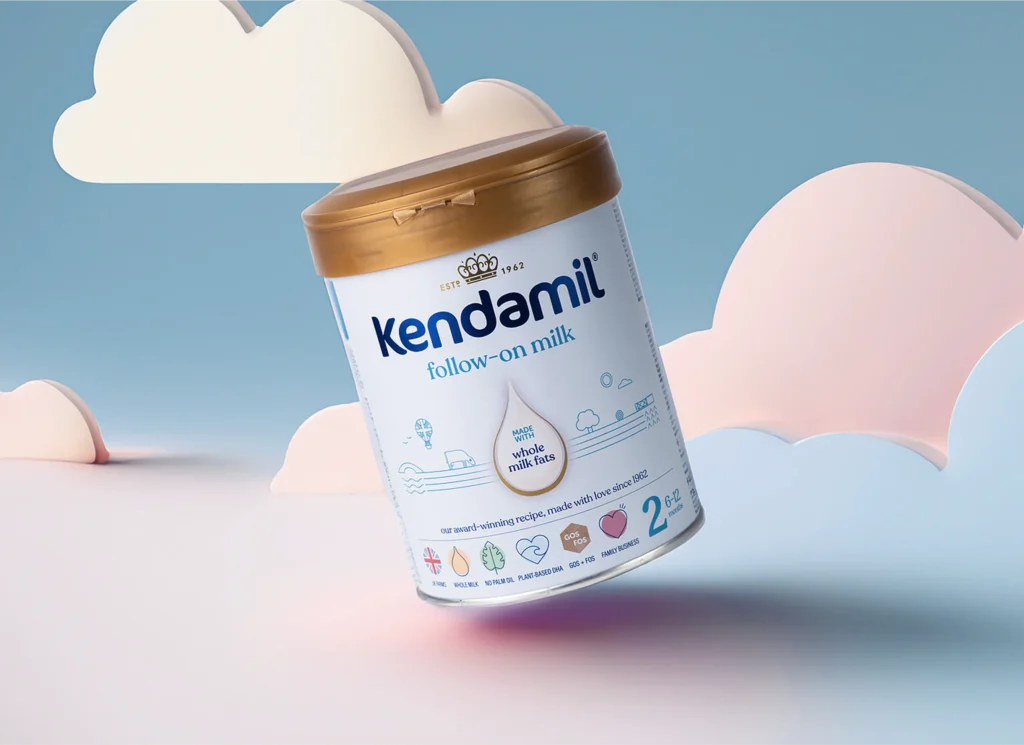
All Kendamil products available on Baby’s Pantry are both halal and kosher certified:
- Kendamil UK Organic (Stages 1, 2, 3)
- Kendamil UK Classic (Stages 1, 2, 3)
- Kendamil UK Goat (Stages 1, 2, 3)
Official statement from Kendamil:
“Our facility is Halal inspected and all of our Classic and Organic Kendamil products are Halal certified.”
For kosher families: Note that Kendamil also produces a special “Mehadrin” (Super-Kosher) formula that meets even stricter requirements for Passover consumption, though this may not be available through all retailers.
Jovie – Fully Certified
The team behind Jovie includes former members of the Kabrita baby formula team, and they left specifically to create goat formula. Their manufacturing facility, Buisman Zwolle B.V., was purpose-built with halal and kosher production in mind.
✅ Halal Certified
✅ Kosher Certified
❌ Vegetarian Certified: Not claimed despite certifications.
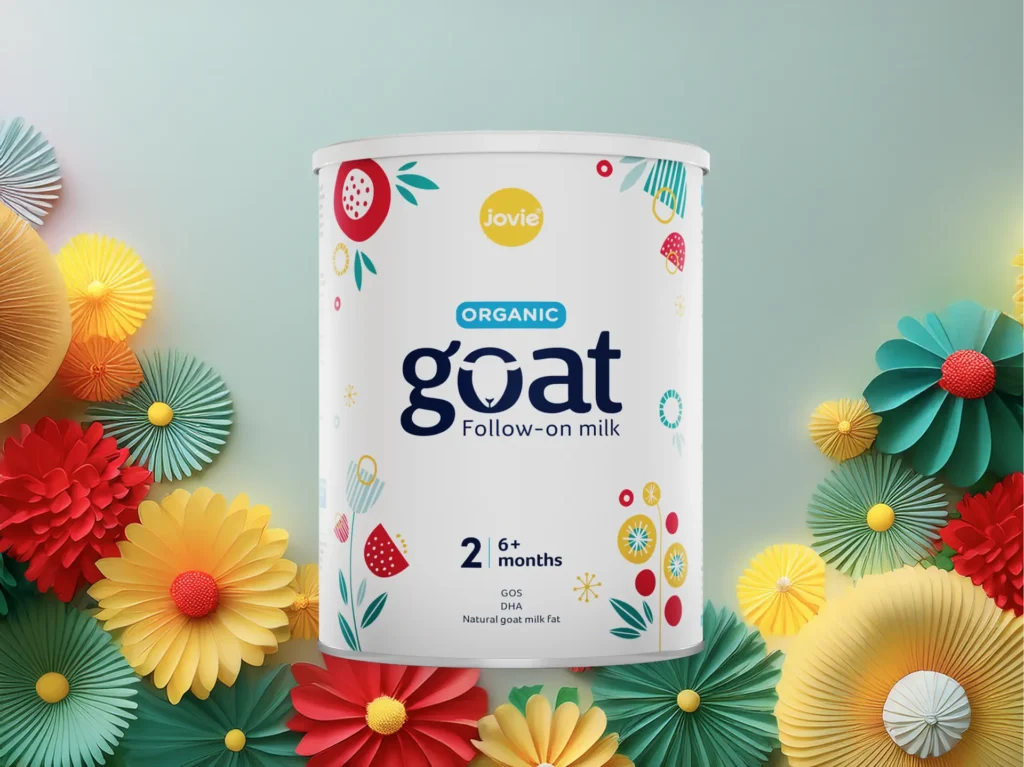
Important note: While the facility and products are certified halal and kosher, Jovie does not claim vegetarian status. This is likely due to either trace amounts of fish oil in some formulations or other processing considerations. Always check the specific product if vegetarian status is important to you.
Nannycare – Halal Only
Nannycare are based in New Zealand and are halal certified but not kosher or vegetarian certified.
✅ Halal Certified
❌ Kosher Certified
❌ Vegetarian Certified
Shop Nannycare Baby Formula Here.
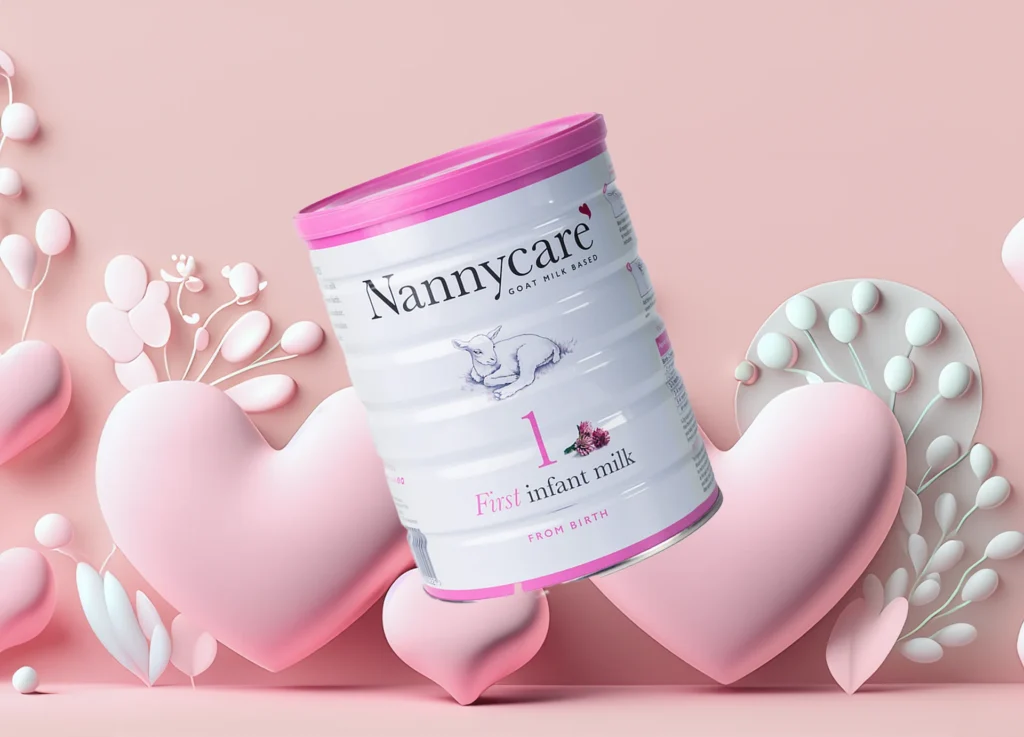
Official statement from Nannycare:
“Nannycare products are Halal registered in New Zealand where they are made.”
However, regarding kosher:
“Nannycare has not gone through the registration process for Kosher certification.”
Why Nannycare isn’t vegetarian or kosher:
“Nannycare products cannot claim vegetarian status only because of the added ingredient ‘lactose’. The lactose level in human milk is substantially higher than in either cow’s or goat milk… The lactose which is added as an ingredient in the Nannycare formula comes from the whey fraction of cow’s milk but is highly refined to ensure it contains no cows’ milk protein. Part of the refining process to produce the ingredient ‘lactose’ involves using rennet, and whilst it is only used down-the-chain in the manufacturing process (and in no way is an ingredient in the formula itself), it is an animal product, so Nannycare products cannot claim to be vegetarian.”
They even acknowledge the difficulty: “Whilst vegetarian lactose does exist, the difficulty is with sourcing it consistently and in sufficient quantity. This is an industry-wide issue and the reason why most baby formulas are not vegetarian.”
Additionally, Nannycare contains:
- Fish oil (DHA source) – fish species not specified, so kosher status cannot be confirmed (different fish species have different kosher status)
- Animal rennet in lactose production – while the formula is halal certified (meaning the rennet source is verified for halal), the source animal slaughter method has not been verified for kosher standards
If you’re Muslim and specifically looking for goat milk formula, Nannycare is a solid choice backed by extensive research and clinical trials.
HiPP- Not Certified
HiPP is one of the most recognized names in European baby formula, and for good reason—they’ve been making organic baby food since 1932, making them one of the oldest organic baby food manufacturers in Europe.
However, HiPP is not halal or kosher certified. HiPP has chosen to prioritize their organic and biodynamic standards, which, as they’ve openly stated, sometimes limits their ability to source ingredients that would allow for halal or kosher certification.
❌ Halal Certified
❌ Kosher Certified
❌ Vegetarian Certified
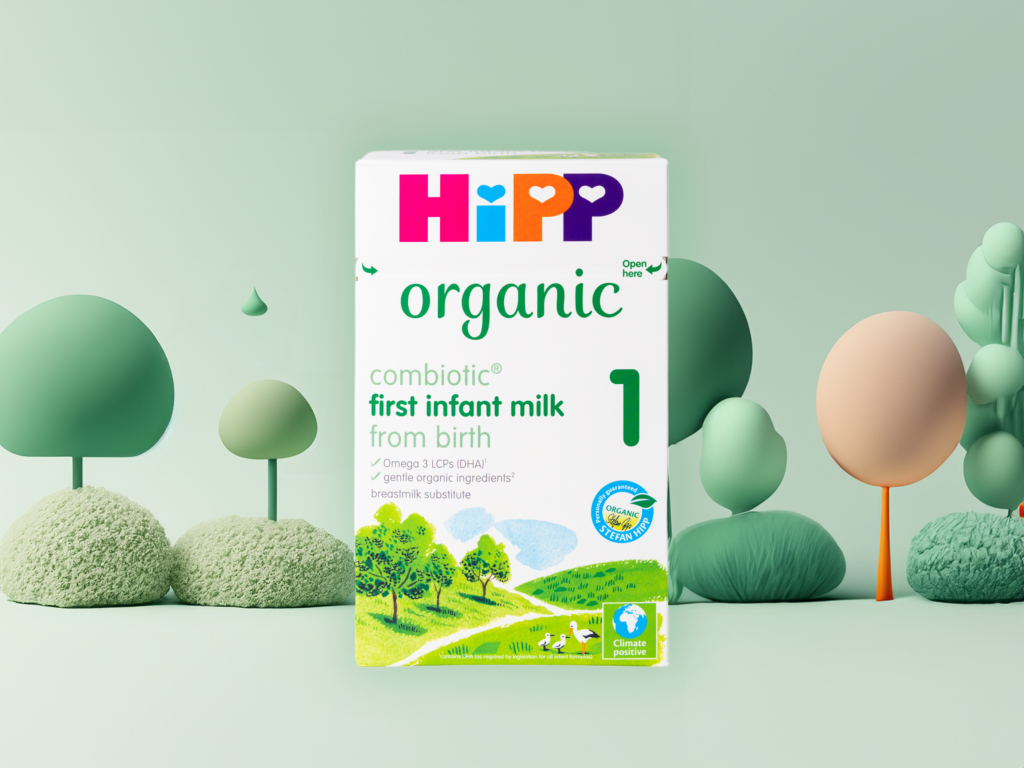
What HiPP says about their ingredients:
“Fish oils are added as a source of Omega 3 and Omega 6 LCPs to the powdered Infant Milks – but these are not added to the ready to feeds or Follow on (No 2) or Growing Up Milk (No 3/4).
All of the HiPP formula milks are however produced using whey which is obtained from whole milk using rennet. This rennet is GM free and mainly of microbial origin, but unfortunately we cannot reliably source enough organic whey produced using microbial rennet that meets our very high quality standards so we sometimes use whey obtained using animal rennet (derived from cow).”
What parents should know: Many Muslim and Jewish families have used HiPP formulas and been satisfied. However, they’re making that choice with the understanding that it’s not certified. If someone asks “Is this halal/kosher?”, the honest answer is “It’s not certified, but it contains no obvious haram/non-kosher ingredients.
Our recommendation: If you require strict halal or kosher compliance, choose certified options (Kendamil or Jovie instead). If you’re more flexible and prioritize other factors (like their specific formulas like Comfort or Anti-Reflux), HiPP might work for your family.
Holle- Not Certified
Holle has achieved some of the highest certifications in organic farming with their Demeter certification, but they have not pursued halal or kosher certification for their infant formulas.
❌ Halal Certified
❌ Kosher Certified
❌ Vegetarian Certified
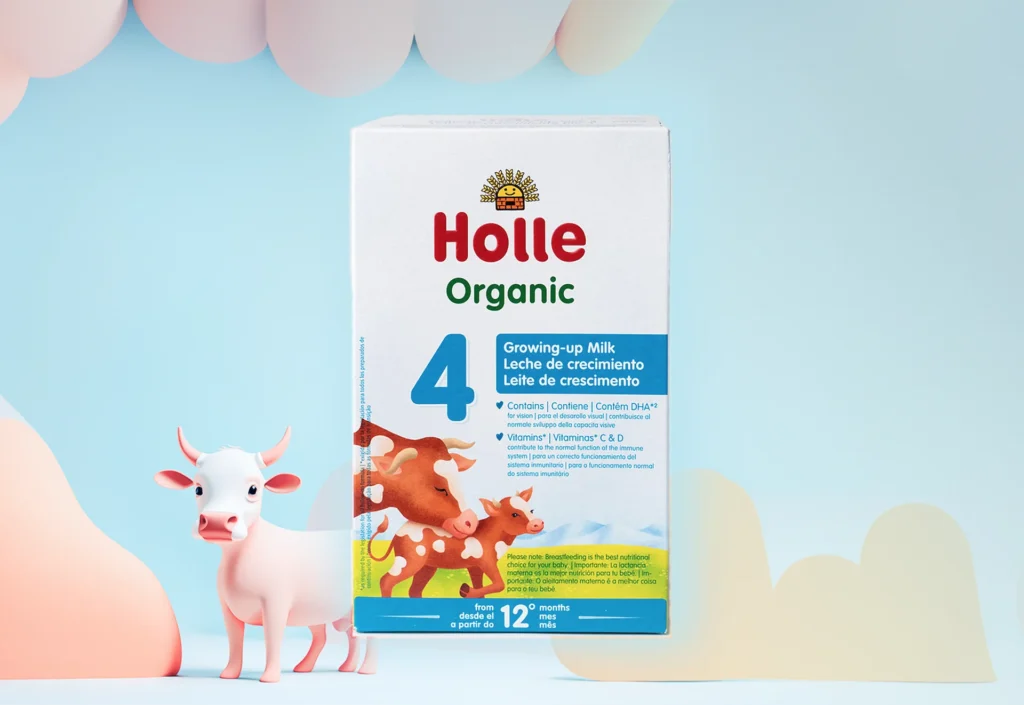
What to consider: If you email Holle’s customer service ([email protected]), you could ask them the specific questions about rennet sources, fish oil species, and Vitamin D3 origins. They may be able to provide information that helps you make a decision, even without formal certification.
Have questions about specific products or need help choosing the right formula for your family? Contact our team – we’re here to help!
This article was last updated January 2026 with the most current certification information available. Certifications can change, so always verify current status with the manufacturer or check for certification symbols on product packaging.